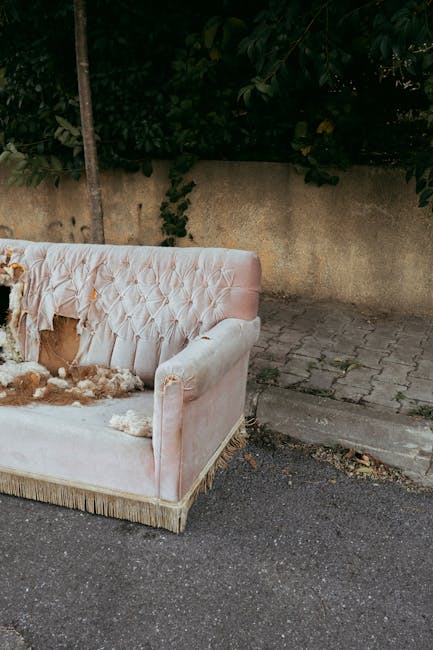
Crouch End upholstery cleaning and stain removal Haringey: a practical guide for cleaner, longer-lasting furniture
If your sofa has picked up a coffee ring, a mystery mark, or that dull, lived-in look that creeps in after a busy week, you are not alone. Crouch End upholstery cleaning and stain removal Haringey is exactly the kind of service people start looking for when everyday life starts to show on fabric, suede, or leather. And let's face it, furniture takes a beating: kids, pets, Friday-night food, London traffic dust, and the occasional "I'll deal with that later" moment.
This guide explains what professional upholstery cleaning involves, how stain removal is approached, what to expect from a good service in Haringey, and how to protect your furniture after cleaning. It is written to help you make a sensible decision, not a rushed one. If you want broader context about cleaning services in the borough, you can also explore the services overview or the dedicated upholstery cleaning in Haringey page.
Table of Contents
- Why Crouch End upholstery cleaning and stain removal Haringey Matters
- How Crouch End upholstery cleaning and stain removal Haringey Works
- Key Benefits and Practical Advantages
- Who This Is For and When It Makes Sense
- Step-by-Step Guidance
- Expert Tips for Better Results
- Common Mistakes to Avoid
- Tools, Resources and Recommendations
- Law, Compliance, Standards, or Best Practice
- Options, Methods, or Comparison Table
- Case Study or Real-World Example
- Practical Checklist
- Conclusion
- Frequently Asked Questions
Why Crouch End upholstery cleaning and stain removal Haringey Matters
Upholstery is one of those things you stop noticing until it looks tired. Then suddenly every mark feels louder than it should. In homes around Crouch End, where family life, work-from-home routines, and entertaining all happen in the same living room, sofas and armchairs tend to absorb a lot more than people realise. Dust settles deep into fibres, body oils darken armrests, and spillages can leave visible stains or hidden residue.
Good upholstery care matters for a few reasons. First, it helps keep furniture looking presentable, which is especially useful if you are welcoming guests, preparing a property for sale, or trying to keep a rental home in good shape. Second, regular cleaning can reduce lingering odours and improve the feel of a room. Third, proper stain treatment can stop a small accident from becoming a permanent blemish. That last point is the big one. The wrong home remedy can sometimes set a stain, spread it, or distort the fabric nap. Not ideal.
In practical terms, professional upholstery cleaning is about more than appearance. It is also about care, value, and timing. A well-timed clean can extend the life of a sofa by years, which is a lot cheaper than replacing it just because a few patches got out of hand. If you are thinking about a wider home refresh, the articles on living in Haringey as a resident and life in leafy Haringey also give useful local context.
Expert summary: the best time to deal with upholstery stains is usually sooner rather than later, but the safest approach is not always the most aggressive one. Matching the cleaning method to the fabric and stain type is what really makes the difference.
How Crouch End upholstery cleaning and stain removal Haringey Works
A proper upholstery clean usually starts with inspection. That sounds simple, but it is where good results begin. The cleaner identifies the fabric type, checks for wear, looks for colour-fastness concerns, and assesses the stain. A red wine mark, for example, is very different from grease, ink, pet urine, or food dye. They may all look like "a stain" at first glance, but they behave differently in fabric.
After inspection comes dry soil removal. This matters because loose dust and grit can interfere with cleaning chemistry and even cause friction damage if scrubbed in. Then a suitable pre-treatment is applied to break down grease, organic residue, or general soiling. After that, the method used depends on the material and condition of the item. In many cases, hot water extraction or low-moisture cleaning is used, but delicate fabrics may need a gentler approach. Leather, velvet, suede, and mixed-material furniture all require different handling. There is no one-size-fits-all trick, despite what online "miracle" hacks suggest.
Stain removal is often a targeted process layered on top of the main clean. The technician may treat the spot with a specific solution, gently agitate it, then extract or blot carefully. Some stains lift fully; some lighten significantly; some are partly permanent if they have already oxidised, heat-set, or been previously treated with the wrong product. A professional will usually tell you this straight rather than promising magic. That honesty is worth something.
Drying is another part people underestimate. Good airflow, careful moisture control, and sensible aftercare reduce the risk of damp smells or reappearing stains. If moisture pulls old residue back to the surface while drying, the mark can "wick" back up. Annoying, but fixable when handled properly.
Key Benefits and Practical Advantages
There are several clear benefits to booking specialist upholstery cleaning in Crouch End and the wider Haringey area.
- Better appearance: Colours often look fresher and fabric texture becomes more even.
- Improved comfort: Sofas can feel cleaner and less sticky, especially on high-touch areas.
- Odour reduction: Food smells, pet odours, and general stale air can be reduced significantly.
- Longer furniture life: Regular cleaning helps prevent embedded dirt from wearing fibres down.
- Useful for move-outs and viewings: If you are preparing a home for letting or sale, presentation really matters.
- Better stain management: Early treatment gives you a better chance of a good result, and usually less stress too.
There is also a less obvious benefit: peace of mind. When a sofa has an old stain and you keep walking past it every day, it nags at you. Once it is properly addressed, the whole room feels calmer. Strange how that works, but it does.
For homeowners looking at maintenance in the round, it may help to compare upholstery care with other property services. If you are also looking at general domestic upkeep, the pages for domestic cleaning in Haringey and house cleaning support explain how fabric cleaning fits into a wider home-care routine.
Who This Is For and When It Makes Sense
This kind of service is useful for a wide range of people, not just households dealing with obvious spills. In our experience, the most common callers are people who have reached that point where "I should really get this sorted" has become "right, enough now."
You may need upholstery cleaning if you are:
- living with children or pets and dealing with everyday marks;
- preparing for guests, family visits, or a special event;
- moving out and want the home to feel fresh for inspection;
- selling or letting a property and need the sitting room to show well;
- dealing with a fresh spill that you do not want to worsen;
- trying to revive a favourite sofa rather than replacing it.
It also makes sense if you own furniture made from delicate fabrics. Velvet, wool blends, linen mixes, and some synthetics can all benefit from a careful professional clean. A quick surface wipe may make things look better for a day, but if the soil remains in the pile or weave, it usually returns. There's the rub.
If your need is linked to the end of a tenancy, it can be worth pairing upholstery work with broader exit cleaning. A relevant starting point is end of tenancy cleaning in Haringey, especially if you are trying to hand back a property in decent condition without last-minute panic.
Step-by-Step Guidance
Here is a sensible way to approach upholstery cleaning and stain removal without making the problem worse.
- Identify the fabric. Check care labels if they are available. If not, note the fabric feel, age, and any special features such as piping, trims, or mix of materials.
- Act quickly on fresh spills. Blot gently with a clean white cloth. Do not rub hard. Rubbing often pushes the stain deeper or spreads it wider.
- Avoid over-wetting. Too much water can create tide marks or drive the stain into the cushioning underneath.
- Test any product first. Whether you are using a home product or a professional pre-spray, check a hidden area first if possible.
- Use the right cleaning method. Fabric extraction, low-moisture cleaning, spot treatment, or specialised solvent work each suit different materials.
- Treat the stain before the full clean if needed. Some marks respond better to a targeted process than to a general wash.
- Allow proper drying. Keep windows open if weather allows, and use airflow. A damp sofa is not a small thing; it can become a bigger one.
- Review the result once dry. Some stains only reveal their final outcome after drying. If needed, ask about re-treatment rather than reaching for another DIY fix.
One real-world example: a tea spill on a fabric armchair may look like a simple brown mark, but if the tea had milk or sugar, the residue can bind differently in the fibres. That changes how the stain should be treated. It sounds fiddly because it is fiddly.
Expert Tips for Better Results
A few practical habits make a big difference to upholstery care, and none of them are especially glamorous.
- Vacuum regularly: Dust and grit act like fine sandpaper over time.
- Deal with spills early: Fresh stains are almost always easier than old ones.
- Keep heat away from stains: Hairdryers and radiators can set certain marks permanently.
- Rotate cushions: This helps distribute wear and keeps the sofa looking more even.
- Use throw covers carefully: They can help, but trapped dirt underneath still needs attention.
- Be cautious with internet hacks: Vinegar, bicarbonate of soda, washing-up liquid, and steam are not universally safe for upholstery. Sometimes they help; sometimes they make things messier. Truth be told, that is a gamble.
If you are arranging cleaning around a broader home refresh, it can help to read about the local property context too. The posts on investing in homes in Haringey and selling real estate in Haringey are useful if presentation and property value are on your mind.
A small but useful habit: keep a note of what caused the stain, even if it sounds obvious at the time. "Red sauce from Tuesday" might not help much later, but it can help a cleaner choose the right approach. And yes, the detail matters.
Common Mistakes to Avoid
People usually make upholstery stains worse by trying to solve them too fast. Fair enough. The instinct to act quickly is understandable. But speed without the right method can create more work.
- Scrubbing aggressively: This can fray fibres and spread the stain.
- Using too much product: Residue attracts dirt and can leave a sticky patch.
- Mixing cleaning chemicals: This is unsafe and can damage the fabric.
- Ignoring the filling underneath: Surface cleaning alone may not be enough if the spill soaked through.
- Cleaning without checking colour-fastness: Some fabrics fade or bleed.
- Forgetting to dry properly: Hidden moisture can cause odours or new marks.
Another common mistake is assuming every stain should disappear completely. In reality, some are permanent or partly permanent because they have oxidised, reacted with heat, or been there for too long. A good cleaner will set expectations early. That is not pessimism; it is professionalism.
Tools, Resources and Recommendations
You do not need a garage full of gadgets to care for upholstery well, but it helps to know what a proper service may use and why.
| Method or Tool | Best For | Notes |
|---|---|---|
| Vacuum with upholstery attachment | Routine maintenance | Removes loose dirt before it settles deeper |
| Microfibre cloths | Gentle blotting | Useful for fresh spills; avoid coloured cloths that may transfer dye |
| Fabric-safe pre-treatment | Grease, food, and general staining | Should match the material and stain type |
| Hot water extraction | Many durable fabrics | Effective, but not suitable for every textile |
| Low-moisture or dry cleaning methods | Delicate fabrics | Helps reduce drying time and moisture risk |
| Fabric protector | Prevention after cleaning | Can help slow future staining, though it is not a force field |
From a service-selection point of view, it is smart to look for clear explanations, careful handling, and realistic expectations. You want a cleaner who talks about fabric type, stain age, and drying time instead of promising the impossible. If you want to understand company standards and the way a provider handles customer care and safety, pages such as about us, health and safety policy, and insurance and safety are worth a look.
For buyers who want to compare price and booking details, the pricing and quotes page is the natural next stop. If you care about how your details are handled online or during booking, the site also provides a clear privacy policy, terms and conditions, payment and security, and cookie policy.
Law, Compliance, Standards, or Best Practice
Upholstery cleaning is not usually a heavily regulated service in the way medical or legal work is, but there are still important standards of practice. At the very least, a professional cleaner should work safely, use products responsibly, and avoid causing damage through poor judgment. In the UK, that normally means paying attention to chemical handling, ventilation, safe equipment use, and sensible risk management.
Best practice also includes honest fabric assessment. If a piece is too delicate for wet cleaning, it should be treated with a suitable low-moisture or specialist method instead of being forced through a generic process. That sounds obvious, but, well, common sense is not always common. For landlords, tenants, and homeowners, keeping records of cleaning work can also be useful when a property is being prepared for inspection or handover. It helps show that care has been taken, even if a mark cannot be removed completely.
There is another quiet point here: good cleaning businesses tend to have clear complaints procedures and transparent policies. That is a reassuring sign, not a boring one. It shows they have thought through service quality and customer care. If something goes wrong, you want to know there is a proper route to resolve it. The same goes for accessibility and inclusivity. Professional services should be designed so people can get the information they need without hassle.
Options, Methods, or Comparison Table
Different upholstery jobs need different methods. Here is a simple comparison to help you think clearly before booking.
| Method | Good For | Pros | Watch Outs |
|---|---|---|---|
| DIY spot cleaning | Very fresh, minor spills | Quick, cheap, convenient | Easy to over-wet or spread the stain |
| General upholstery clean | Routine refresh | Improves appearance and odour | May not remove old, set-in stains |
| Targeted stain removal | Specific problem marks | Focuses on the stain type | Not every stain will lift fully |
| Low-moisture specialist cleaning | Delicate or moisture-sensitive fabrics | Reduced drying time and risk | May require more detailed treatment planning |
| Combined furniture and room clean | Move-outs, refurbishments, busy homes | Creates a more complete reset | Needs more planning and coordination |
In many homes, the best result comes from combining methods rather than relying on one single technique. A sofa may need a general refresh, one arm may need extra stain treatment, and the cushions may need longer drying time. That kind of tailored approach is often what separates a tidy clean from a really good one.
Case Study or Real-World Example
Here is a realistic example based on the sort of job that comes up often in Crouch End. A family had a fabric corner sofa in a bright living room that looked fine from a distance but had a handful of obvious problems up close: a coffee ring on one seat, grease near the headrest, and a faint odour from everyday use. They had tried one over-the-counter spray on the coffee stain, which made the ring edge more noticeable. Classic, unfortunately.
After inspection, the cleaner identified the fabric as a medium-durability woven textile with moderate colour sensitivity. The coffee stain was pre-treated, the greasy areas were broken down separately, and the full sofa was then cleaned with a moisture-controlled method. Drying was managed with airflow, not heat. The sofa did not become "brand new," because that would be a silly promise, but the marks reduced enough that the room looked lighter and the sofa felt much fresher. The family also learned which drinks should not be balanced on the armrest. A small victory, but a real one.
That kind of result is common when the stain is treated early and the fabric is handled properly. If the same sofa had been scrubbed harder or soaked repeatedly, the outcome could have been worse. Timing and technique really do matter.
Practical Checklist
Use this quick checklist before booking or tackling an upholstery stain yourself.
- Identify the fabric type if you can.
- Check whether the stain is fresh or set-in.
- Blot, do not rub.
- Avoid over-wetting the area.
- Do not mix cleaning products.
- Test any treatment in a hidden spot first.
- Plan for proper drying and airflow.
- Ask whether the stain may lighten rather than disappear completely.
- Consider whether the item needs a full clean, not just spot treatment.
- Think about pairing upholstery care with broader home cleaning if the room needs a reset.
If you are also sorting out a larger household refresh or preparing a workspace, the service pages for office cleaning in Haringey and carpet cleaners in Haringey can be useful alongside furniture care.
Conclusion
Crouch End upholstery cleaning and stain removal Haringey is not just about making a sofa look a bit nicer for a day. It is about preserving furniture, improving the feel of a room, and dealing with stains in a way that actually makes sense for the fabric involved. The best results usually come from careful inspection, the right cleaning method, and a bit of patience while everything dries properly.
If you take one thing from this guide, let it be this: treat stains early, treat fabric gently, and avoid panic scrubbing. Simple advice, yes, but very often the best advice is simple. And in a busy home, a cleaner sofa can make the whole place feel lighter. Somehow, that small difference changes the mood of a room.
Get a free quote today and see how much you can save.
When your furniture starts to look cared for again, the rest of the room tends to follow. It is a quiet kind of satisfaction, but a good one.
Frequently Asked Questions
What is included in upholstery cleaning and stain removal?
It usually includes inspection, dust removal, pre-treatment, targeted stain work, a full clean suitable for the fabric, and drying guidance. The exact process depends on the item and the stain.
Can all stains be removed from a sofa?
No, not always. Some stains are permanent or partly permanent, especially if they have been there for a long time or have reacted with heat or previous cleaning attempts. A good cleaner should explain the likely outcome clearly.
How quickly should I deal with a fresh stain?
As soon as you reasonably can. Fresh stains are generally easier to treat, especially if you blot gently and avoid rubbing. Waiting tends to make the job harder.
Is steam cleaning safe for all upholstery?
No. Steam or high-moisture cleaning can suit some durable fabrics, but it is not right for every material. Delicate fabrics, mixed materials, and moisture-sensitive items may need a different method.
Why does a stain sometimes come back after cleaning?
That can happen when residue wicks up from deeper in the fabric as it dries. Proper drying and thorough extraction help reduce that risk, but stubborn stains can still reappear slightly if they were heavily soaked before.
Can I use vinegar or baking soda on upholstery?
Sometimes people do, but it is risky because results vary by fabric and stain type. What helps on one sofa can damage another. If you are unsure, test very carefully or leave it to a professional.
How long does upholstery take to dry?
Drying time depends on fabric, room airflow, and how much moisture was used. Some items dry relatively quickly, while others need more time. Good ventilation usually helps.
Do I need upholstery cleaning if the sofa looks fine?
Possibly, yes. Dirt and oils can build up long before a sofa looks obviously dirty. A cleaner may help restore freshness and prevent the fabric from wearing out faster.
What should I tell the cleaner before the appointment?
Tell them what the stain is, when it happened, what products you have already used, and whether the fabric has any special care instructions. That context helps them choose the safest approach.
Is this useful for rental properties and move-outs?
Absolutely. Upholstery that looks clean and fresh can make a strong difference in a property handover, especially when paired with broader cleaning work. It helps the place feel looked after.
How can I keep upholstery cleaner for longer after the service?
Vacuum regularly, rotate cushions, deal with spills quickly, and avoid eating or drinking in high-risk spots if you can help it. A little prevention goes a long way. Not glamorous, but effective.
Where can I learn more about the company and service standards?
You can read the site's about us page, along with the services overview and related policy pages for a clearer picture of how the service is run.