Communal area Cleaning in Haringey
If you manage, own, or live in a shared building, keeping the common parts clean makes a noticeable difference every day. Communal area Cleaning in Haringey is about more than tidiness: it helps residents feel proud of where they live, supports a better first impression for visitors, and keeps busy shared spaces more pleasant and workable. In a borough with everything from Victorian terraces split into flats to modern apartment blocks, mansion conversions, estates, and mixed-use buildings, shared spaces can quickly become high-traffic areas that need regular attention.
Local customers often look for a service that understands the realities of Haringey properties: narrow stairwells, limited parking, controlled entry systems, resident access concerns, and the different cleaning needs of small blocks compared with larger estates. A dependable local team can work around these challenges and deliver a practical schedule for lobbies, staircases, landings, lifts, bin stores, and other communal areas that everyone uses but nobody wants to be responsible for alone.
Whether you are a freeholder, landlord, managing agent, housing association, resident director, or a resident who wants to raise the standard in your block, this page explains what the service includes, how it works, what affects pricing, and why a local provider can be a sensible choice. If you are ready to improve the condition of shared areas, request a free quote or book your service now.
Why shared area cleaning matters in Haringey

Shared buildings in Haringey tend to see a lot of foot traffic. Morning commutes, school runs, deliveries, bins being moved in and out, and regular comings and goings all create dirt and wear in communal spaces. Dust on skirting boards, marks on handrails, litter by the entrance, and muddy footprints on stair treads are common issues in busy blocks, especially during wet weather. A consistent cleaning routine helps keep these areas presentable and reduces the build-up that can make a building feel uncared for.
There is also a practical side to it. Clean communal areas make it easier to spot maintenance problems such as leaks, broken lights, damaged flooring, pest activity, or fly-tipping near bin stores. When cleaners work routinely through the building, issues are noticed sooner and can be reported by the right people before they become bigger repairs. That is one reason many local property managers see communal area cleaning as part of sensible building care rather than a cosmetic extra.
For residents, the difference is immediate. A clean entrance hall, clear stairwell, and fresh-smelling lift lobby can make a block feel calmer and more organised. For landlords and managers, well-kept common parts support tenant satisfaction and reduce avoidable complaints. For owners of smaller blocks, a reliable cleaning arrangement can help protect the appearance of the building without placing a burden on residents to take turns doing it themselves.
What the service typically covers

Every building is different, but a good communal area cleaning service in Haringey usually focuses on the shared areas that see the most daily use. The exact specification can be adapted to the layout of the property, the number of floors, the number of residents, and how frequently the building needs attention. In many cases, cleaning is arranged weekly, fortnightly, or on a customised schedule depending on traffic levels and building type.
Typical tasks can include:
- Cleaning entrance halls and reception areas
- Dusting skirting boards, ledges, and reachable surfaces
- Wiping handrails, bannisters, and door handles
- Vacuuming stairs, landings, and corridors
- Mopping hard floors and spot-cleaning marks
- Cleaning lift interiors and lift doors
- Removing litter and general debris from common parts
- Cleaning internal glass, low-level windows, and mirrors where accessible
- Wiping communal notice boards and mailbox areas
- Cleaning bin store access points and surrounding shared areas
Depending on the property, the service may also include light touchpoint cleaning in shared doorways, service cupboards, and other high-contact areas. In some buildings, cleaners are asked to pay extra attention to front entrance glass, mats, and other details that create the first impression. If your building has special requirements, these can usually be added to a regular plan so the cleaning is consistent and predictable.
Important: a proper cleaning specification should be clear enough that everyone knows what is covered, how often it is done, and which areas need special care. That avoids confusion and helps set realistic expectations for residents and managers alike.
Local knowledge makes a real difference

Haringey is not a one-size-fits-all area. Cleaning needs vary between neighbourhoods and property types, and local experience helps a cleaning team work more efficiently. In places such as Wood Green, Tottenham, Hornsey, Crouch End, Harringay, Muswell Hill, Finsbury Park, and Seven Sisters, communal buildings can range from compact conversions to larger blocks with shared entrances and multiple access points. Each setting brings its own challenges, from residents keeping different schedules to restricted parking and narrow access for equipment.
Local teams are often better prepared for the practicalities. If parking is limited near your building, they can plan around loading restrictions, permit zones, or busy roads. If the site has coded entry, concierge instructions, or specific resident access procedures, a local provider is more likely to work these into the routine smoothly. In older buildings, staircases may be steep or surfaces may need careful treatment. In newer developments, lifts, communal glass, and polished finishes may need a more detailed cleaning approach.
This local understanding matters for both speed and quality. It can reduce missed visits, improve consistency, and make it easier to respond when a building suddenly needs extra attention after a storm, a spill, or a particularly busy weekend. For many customers, that reliability is exactly what they want when choosing communal area cleaning in Haringey.
Who the service is for
Shared spaces need regular care in many different types of properties, and communal cleaning is useful for a wide range of customers across the borough. It is not only for large blocks or high-spec developments. Smaller buildings often benefit just as much because residents usually want common areas to stay neat, safe, and manageable without arguments over whose turn it is to clean.
The service is commonly arranged by:
- Managing agents who need reliable upkeep for multiple buildings
- Landlords and freeholders looking after blocks of flats or converted houses
- Residents’ management companies overseeing shared responsibilities
- Housing associations maintaining estates and apartment buildings
- Commercial property managers responsible for mixed-use premises
- Residents who want to improve standards in a small block
Some properties need light, regular cleaning to stop mess from building up. Others need a more detailed arrangement because of heavy use, shared bins, high-traffic entrances, or frequent wet-weather dirt being tracked inside. In either case, the aim is to create a standard that is easy to maintain and simple to review. If you are weighing up whether a professional service is worth it, think about the time saved, the reduced friction between residents, and the improved appearance of the building as soon as the common parts are properly cared for.
What a cleaning visit can include in practice
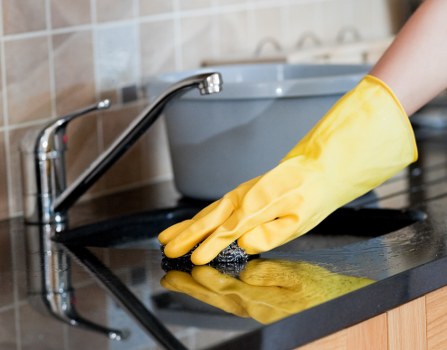
When a team arrives for a scheduled visit, the work is usually planned in a logical order so the most visible and heavily used areas are handled first. That means entrances, floors, staircases, touchpoints, and shared features are given attention before the cleaner moves on to less obvious details. In many buildings, a well-run visit only takes a short time to make a visible improvement, but the effect can be substantial.
A typical visit may involve:
- Checking access and carrying out a quick visual inspection of the communal areas
- Removing loose litter and debris
- Dusting and wiping high-touch surfaces
- Vacuuming or sweeping floors and stairs
- Mopping hard floor surfaces where suitable
- Cleaning glass, mirrors, and entry points as agreed
- Finishing with a final check so the area is left tidy
In some buildings, the cleaner may also note issues such as broken lighting, blocked passageways, or signs of damage and report them through the agreed route. That extra level of awareness can be especially useful in communal properties where minor problems can quickly affect many residents.
For buildings with lifts, practical focus is often placed on button panels, doors, mirrored surfaces, and floors inside the lift. For stairwells, handrails, corners, and landings are usually priority zones. The exact tasks can be adjusted so the service matches what the building actually needs, rather than forcing a generic routine onto a property that does not suit it.
Benefits for residential and commercial customers

Communal cleaning is often thought of as a residential service, but it can be just as valuable in commercial and mixed-use buildings. Shared spaces in offices with flats above, retail units beneath apartments, and managed premises with common access areas all need the same thing: a presentable environment that stays under control between visits. A tidy building helps people feel more comfortable using the space and can make day-to-day management easier.
For residential customers, the main benefits usually include:
- A cleaner, more welcoming entrance and stairwell
- Less dust and dirt build-up in shared areas
- Reduced complaints about mess and neglected common parts
- Better visibility of maintenance issues
- A building that feels more cared for overall
For commercial and mixed-use customers, benefits may also include:
- Better presentation for clients, staff, and visitors
- Cleaner shared entrances and corridors
- More manageable upkeep in busy multi-occupancy buildings
- Improved consistency across different floors or units
- A more professional environment for everyone using the premises
In short: regular communal cleaning helps maintain standards, supports a better experience for residents and users, and can reduce the pressure on managers to chase down avoidable mess.
How the service usually works
Most local customers want a straightforward process. They do not want confusion over what is included, how often visits will happen, or who is responsible for which area. A clear starting point makes everything easier. The process usually begins with a brief discussion about the property, the current condition of the communal areas, and what the building needs to stay presentable.
A typical process may look like this:
- Initial enquiry: You share the building type, location in Haringey, and the areas that need cleaning.
- Site review or discussion: The service provider assesses access, size, usage, and cleaning priorities.
- Cleaning plan: A schedule is agreed for frequency, scope, and any special tasks.
- Regular visits: Cleaning is carried out on the agreed days and at the agreed standard.
- Ongoing review: The plan can be adjusted if use levels change or extra attention is needed.
This kind of approach helps avoid overpaying for unnecessary work and under-cleaning areas that get heavy use. For example, a small conversion in a quiet residential road may only need modest weekly attention, while a larger block near a busy route or transport hub might need more frequent cleaning to keep up with foot traffic and debris.
If you manage several buildings, having a consistent process across sites can save time and make it easier to compare standards. A local provider can often adapt the same working method while still recognising the specific details of each property.
What affects pricing for communal area cleaning
Customers often ask what determines the cost of communal area cleaning in Haringey. While exact prices are not listed here, the main factors are usually practical and easy to understand. The more detail you can provide upfront, the easier it is to receive a realistic and useful quote.
Common pricing factors include:
- Size of the building and number of floors
- Frequency of visits required each week or month
- Type of surfaces such as carpets, hard floors, glass, or polished finishes
- Access conditions including keys, codes, concierge arrangements, and entry times
- Level of traffic through entrances, stairwells, lifts, and corridors
- Extra tasks such as internal glass or bin area attention
- Condition of the building and whether a one-off reset clean is needed before regular visits begin
Properties that are well maintained from the start often need less corrective work, which can make ongoing cleaning easier to manage. On the other hand, if a communal area has been neglected for a while, the first visit may need more detailed work to bring it back to a suitable standard. It is usually better to discuss this openly so the service fits the building properly rather than using a one-size-fits-all arrangement.
For customers comparing options, it is sensible to look at what is actually included in the service rather than focusing only on the headline figure. A quote that reflects the building accurately is often more useful than a very low estimate that does not cover the areas residents expect to be cleaned.
Why choose a local company in Haringey
Choosing a local cleaning company offers practical advantages that matter in day-to-day property management. A team based near Haringey is usually better placed to respond quickly, understand local property layouts, and factor in the borough’s mix of residential streets, busier roads, and diverse building styles. This can make a real difference when access needs to be flexible or when urgent extra cleaning is needed after an incident.
Local service also helps with familiarity. A company that regularly works in Haringey is more likely to understand common issues such as restricted parking near terraced conversions, delivery congestion around busier locations, or the challenge of keeping entrance areas clean during wet and muddy weather. They are also likely to know how to plan around apartment blocks with limited storage for equipment or buildings where residents share access points with commercial units.
There is also reassurance in dealing with a team that understands the standards expected by local residents and property managers. Shared buildings need reliability, clear communication, and a consistent finish. A local provider can often offer all three while remaining flexible enough to adjust to changing needs. That is particularly valuable for blocks with seasonal changes in use, tenant turnover, or ongoing refurbishment work.
In the end, the most useful cleaning service is the one that fits the building and the people in it. Local knowledge supports that fit. If you want a provider who understands the area and the real pressures on shared spaces, contact us today to discuss your requirements.
Areas covered across Haringey
Communal cleaning needs arise across the borough, from quieter residential streets to busier transport-connected neighbourhoods. Coverage can be arranged for many parts of Haringey, including well-known districts and surrounding pockets where shared housing and apartment living are common.
Areas commonly served include:
- Wood Green
- Tottenham
- Hornsey
- Crouch End
- Harringay
- Muswell Hill
- Seven Sisters
- Finsbury Park
- Bounds Green
- Stroud Green
That said, the exact service area and schedule can be discussed based on your building’s location and access needs. Some blocks are tucked away on side streets, while others sit close to busier roads or transport links. A good cleaning plan should take that into account so the service remains reliable and practical all year round.
How to prepare for a communal cleaning service
Preparation does not need to be complicated, but a few simple steps can help the first visit run smoothly and make regular cleaning more effective. Whether the property is a small conversion or a larger managed block, a little organisation upfront can save time later and help the cleaner work efficiently.
Useful preparation steps include:
- Confirm how the cleaner will access the building
- Provide any door codes, key instructions, or contact procedures
- Identify the areas that should be included in the cleaning plan
- Point out any fragile surfaces or problem areas that need care
- Clear away large items, obstructions, or resident belongings from communal zones
- Let residents know the cleaning schedule if that will help avoid disruption
If your building has special concerns, such as recently painted walls, new flooring, ongoing repairs, or regular heavy foot traffic at certain times, it is worth mentioning these early. The more information available, the easier it is to shape a routine that protects the building and keeps expectations clear.
A good provider will be happy to discuss practical matters before work begins. This makes the arrangement feel organised from day one and helps the cleaning team focus on producing a consistent result.
Useful checklist for residents and managers
If you are arranging shared area cleaning for the first time, the following checklist can help you gather the right information before requesting a quote:
- How many floors, entrances, and staircases the building has
- Whether there is a lift, and if it needs regular cleaning
- What flooring is in place in communal areas
- Whether the building has a bin store or external shared rubbish area
- Any access restrictions, codes, or scheduling limits
- How often the communal areas currently need attention
- Whether there are recurring issues such as litter, mud, or marks on walls
- Any shared areas that need extra care because of resident use or building layout
This information helps create a more accurate plan and avoids overlooking important parts of the property. It also gives you a better sense of what level of service is likely to suit the building.
Small details that often matter
In communal cleaning, small details can make a big difference. A quick wipe of a lobby door handle, a clean lift panel, or a dust-free skirting board may not seem dramatic on its own, but together these details shape how residents feel about the whole property. That is why many local customers prefer a steady routine that keeps standards up before problems become obvious.
Frequently asked questions
How often should communal areas be cleaned?
It depends on the size of the building, the amount of foot traffic, and the expectations of residents or managers. Some small blocks only need weekly cleaning, while busier properties may require more frequent visits. A tailored schedule is usually best.
Can the cleaning be tailored to our building?
Yes. Most communal cleaning services can be adjusted to suit the layout and needs of the property. That may include extra focus on stairwells, entrance glass, lifts, bin areas, or particularly busy shared surfaces.
Do you clean both residential and commercial communal spaces?
Yes. Shared areas in residential buildings, mixed-use premises, and some commercial properties often need similar care. The cleaning plan can be shaped around the type of building and how the space is used.
What if our building has difficult access or limited parking?
This is common in Haringey, especially in older streets and busy locations. A local team can usually work around access requirements, resident instructions, and parking constraints as part of the arrangement.
Can we arrange a one-off clean before regular visits begin?
Often, yes. If the communal area needs a reset before maintenance cleaning starts, it can be useful to arrange a one-off visit first so the building begins from a better standard.
How do I get started?
Simply share the building details, the areas that need attention, and the frequency you are looking for. From there, you can request a free quote and decide whether the service fits your property.
Book a dependable communal cleaning service for your Haringey property
When shared areas are well cared for, the whole building benefits. Residents notice the difference, visitors see a better first impression, and managers spend less time dealing with avoidable complaints about dirt, litter, or neglected common parts. For many customers, the real value of Communal area Cleaning in Haringey is the consistency it brings to day-to-day building care.
If you are responsible for a block of flats, a converted property, an estate, or a mixed-use building anywhere in Haringey, now is a good time to put a proper cleaning plan in place. A local team can help you maintain standards, work around access challenges, and keep the shared spaces of your property in better condition throughout the year.
Contact us today to discuss your building, request a free quote, or book your service now. A cleaner, more presentable communal area can start with a simple enquiry.
Final note for property owners and residents
If your building has been left to drift for too long, do not worry. Many communal spaces can be improved quickly once a regular routine is in place. The key is choosing a service that understands your property, your access needs, and the everyday realities of living in a shared building in Haringey.