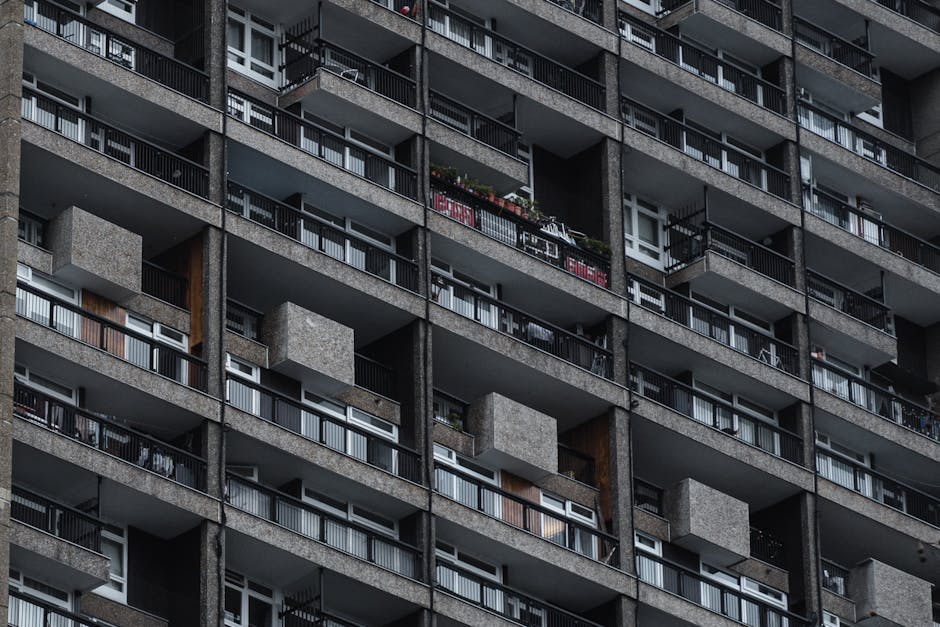
Access problems for Haringey flats and how cleaners respond
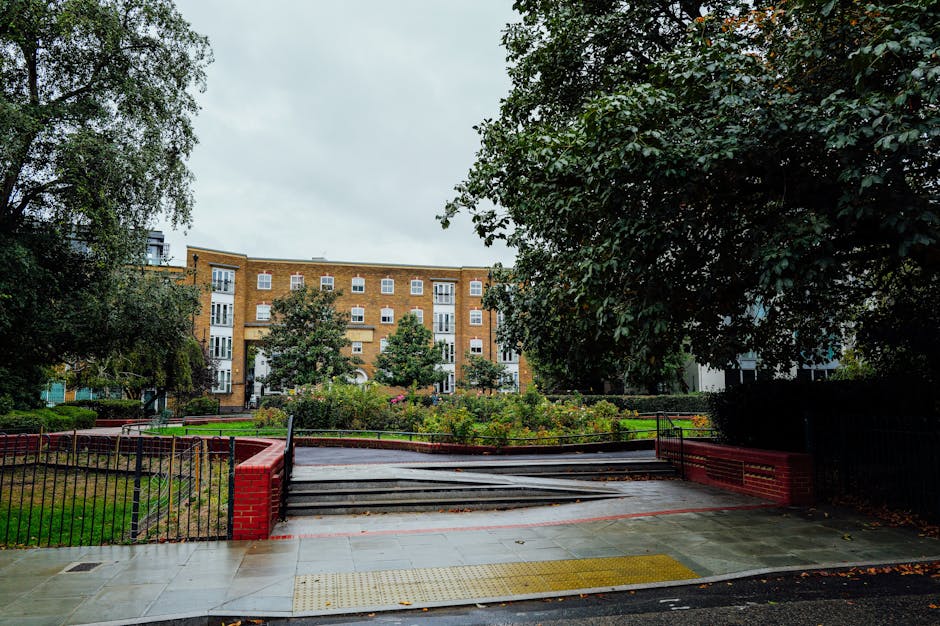
Flat cleaning sounds simple until the lift is out, the entry buzzer is dead, the keys are with a neighbour who has gone away for the day, and the only parking space is already taken. That is the real-world side of access problems for Haringey flats and how cleaners respond. In busy parts of Haringey, especially in larger blocks and older conversions, access issues can shape everything from timing and equipment choice to the final result. This guide breaks down the common problems, how professional cleaners handle them, what you can do to make the job smoother, and the small planning details that save a lot of hassle later on.
To be fair, most cleaning jobs are straightforward once the access is sorted. The trick is knowing what kind of access problem you are dealing with before the team turns up. That may sound obvious, but it is usually where the day unravels. This article gives you a practical framework, not vague theory, so you can plan better, avoid delays, and understand what a good cleaning team should do when a flat is awkward to reach.
Why access problems for Haringey flats and how cleaners respond Matters
Access is not just a minor inconvenience. In a flat, it affects the whole cleaning plan. If a cleaner cannot get through the main door, reach the lift, access the communal hallway, or bring equipment close enough to the property, the job can stall before it has really started. In Haringey, that matters because many flats sit in shared buildings, converted houses, estates, and mixed-use streets where entry arrangements vary a lot from one address to the next.
There is also a customer experience angle. A late start can shorten the working window. A team that arrives unprepared may have to split the job, leave equipment in the wrong place, or return another day. And nobody wants that. Not the resident, not the landlord, not the cleaner. In our experience, the best outcomes happen when access is treated as part of the service, not as an afterthought.
Access issues also affect safety and quality. A cleaner carrying a machine up several flights of stairs may need more time, more breaks, or a different approach. A blocked hallway can create trip risks. A restricted parking zone can change how much equipment can reasonably be brought in. So while it may seem like admin, access planning is actually part of getting the clean done properly.
If you are arranging a deeper refresh, an end-of-tenancy clean, or an move-in cleaning appointment, access clarity matters even more. That is also true for bigger jobs such as deep cleaning and carpet cleaning, where machines, hoses, and drying time all need a workable setup.
How access problems for Haringey flats and how cleaners respond Works
Good cleaners do not just turn up and hope for the best. They build the visit around the access conditions that have been shared in advance. That usually starts with a few simple questions: Is there a keypad? Are keys being handed over? Is there a lift? Is parking nearby? Can equipment be taken in through a side entrance? These details matter because they affect both scheduling and the practical set-up on the day.
When access is awkward, professional cleaners typically respond in one of a few ways:
- They confirm access details before arrival. That might include entry codes, concierge instructions, or key collection points.
- They adjust timing. If the lift is only available at certain hours or a building manager needs notice, the visit is planned around that.
- They reduce unnecessary equipment. For lighter cleans, a smaller kit may be better than a full van load. Less clutter, less lifting.
- They plan for shared areas. Communal corridors, stairwells, and lobby spaces often need extra care and the right permissions. A good team keeps movement tidy and respectful.
- They communicate delays quickly. If the cleaner is stuck at the gate or waiting for a key, the customer should hear about it promptly.
Sometimes the response is more specialised. For example, if access is tight but the flat needs a large fabric refresh, the cleaner may suggest a service that fits the route better, such as upholstery cleaning, sofa cleaning, or steam carpet cleaning. If the issue is not inside the flat but outside in the block, communal area cleaning can sometimes be part of the wider conversation too.
The practical point is this: cleaners respond best when the access problem is explained early and plainly. No drama. No guessing.
Key Benefits and Practical Advantages
When access problems are handled well, the benefits are obvious. The clean is more efficient, the customer is less stressed, and the team can focus on the actual work rather than improvising around avoidable problems. Here are the main advantages.
- Fewer delays. Clear access information keeps start times realistic.
- Better cleaning quality. A cleaner with enough time and the right setup is less likely to rush.
- Lower risk of damage. Fewer awkward moves through tight stairwells means less chance of scuffs, spills, or accidental knocks.
- Safer working conditions. This matters in older blocks, narrow staircases, and busy communal entrances.
- Less stress for residents. Nobody wants to spend the first 20 minutes messaging the cleaner while standing on the pavement with a bag of keys and a growing sense of regret.
There is another benefit that often gets missed: better pricing clarity. If the access challenge is known early, the cleaner can quote more accurately. That is especially useful for one-off cleaning, end-of-tenancy cleaning, and move-out cleaning, where the scope can change quickly if the property is harder to reach than expected.
Expert summary: the best access plan is the one that lets the cleaner spend their time cleaning, not troubleshooting. That sounds basic, but it is the difference between a smooth visit and a messy one.
Who This Is For and When It Makes Sense
This topic matters for more people than you might expect. If you live in a Haringey flat, let property access be one of the first things you think about when booking cleaning. If you manage a block, let it become part of your booking notes. If you are a landlord, letting agent, Airbnb host, or tenant preparing for inspection, you will save time by talking through the access details up front.
It makes sense to pay extra attention when:
- the building has no reliable intercom
- the lift is small, slow, or sometimes out of service
- parking is restricted or permits are needed
- the flat is on an upper floor in a Victorian conversion
- the block has limited concierge hours
- a guest, tenant, or neighbour is meant to provide the keys
- the job includes larger equipment or multiple services
It also matters if the flat is being cleaned as part of a move. People often assume a moving day will somehow sort itself out. It rarely does. That is where services such as move-in cleaning and move-out cleaning benefit from a tighter plan, because boxes, furniture, and people are all competing for the same narrow corridor.
If you are unsure whether the job is light enough to fit around access limits, a quick conversation with the cleaner is enough. Honestly, it is better to sound over-prepared than to have three people waiting outside a locked entrance at 8:30 in the morning.
Step-by-Step Guidance
Here is a practical way to handle access problems before the team arrives. Keep it simple. Simple is good.
- Map the access route. Start at street level and think through every step: entrance, buzzer, lobby, lift, stairwell, hallway, flat door, and any shared gate.
- Share the exact entry method. Give codes, key collection instructions, concierge times, or contact names. If there are two possible entrances, mention both.
- Check parking and stopping space. Even a short loading stop can make a huge difference with equipment.
- Tell the cleaner about stairs or lift limits. A small lift changes what can be carried in and how quickly.
- Flag any building rules. Some blocks require quiet entry, visitor registration, or advance notice for contractors.
- Confirm who will be present. If nobody is meeting the cleaner, make sure the handover process is crystal clear.
- Walk through special risks. Mention fragile flooring, narrow doors, low ceilings, dark corridors, or items that should not be moved.
- Build in a backup plan. If one keyholder is delayed, who else can help? If the lift fails, what is the alternative?
For stubborn access setups, a cleaner may recommend splitting the work into sections. For example, the flat itself may be done first, and the common stairwell or landing may be handled separately. That kind of adaptation is common with domestic cleaning and regular cleaning, where continuity matters but the building layout keeps changing the game a bit.
One small but useful habit: take a photo of the entry point or the exact buzzer panel if the cleaner asks. It sounds slightly over the top, but it can save a lot of back-and-forth later.
Expert Tips for Better Results
The difference between an average visit and a smooth one often comes down to tiny decisions. Not glamorous, but true.
- Send access notes in writing. A quick text or email is better than relying on memory. People forget. It happens.
- Use landmarks, not assumptions. Saying "the usual door" is risky if someone new is on site.
- Keep key instructions short. Long, rambling directions tend to hide the one detail that matters.
- Tell the cleaner what cannot be touched. In flats, that may include shared meters, parcel areas, or landlord items stored in cupboards.
- Leave room for equipment movement. If the hallway is packed with shoes, bikes, and shopping bags, clear it first. It helps more than people think.
- Plan around neighbours. In a thin-walled building, timing can matter. A quieter arrival may be the sensible choice.
If the access issue is connected to a broader clean, the cleaner may suggest pairing it with services such as hard floor cleaning, window cleaning, or oven cleaning only if the route and time window make sense. The point is not to squeeze in everything. The point is to match the job to the building realities.
A small human truth: access problems are rarely exciting, but they are often the difference between "all done" and "we need to come back."
Common Mistakes to Avoid
Some access issues are unavoidable. Others are created by the booking process itself. Here are the mistakes that cause the most trouble.
- Assuming the cleaner will "just find a way in." That is not a plan.
- Forgetting to mention lift outages. This one catches people out more than you would expect.
- Not checking the key handover. If the key is with a neighbour, a concierge, or a letting agent, say so clearly.
- Booking a large service without thinking about access. A small flat may still need a lot of equipment if the job is heavy-duty.
- Leaving the entrance cluttered. Bags, pushchairs, and parcels can slow everything down.
- Ignoring building rules. A cleaner can only work within the access they are given.
Another common one: booking a service after a tenancy ends, then discovering the outgoing tenant still has access problems of their own. That gets awkward fast. In that sort of situation, it may help to pair planning with end-of-tenancy cleaning and a clear check on who is responsible for keys and entry.
Truth be told, most mistakes are not dramatic. They are just small bits of information nobody passed on. And then everybody stands in the cold wondering who has the code.
Tools, Resources and Recommendations
You do not need specialist software or expensive kit to solve access problems in a flat. You need clarity, consistency, and a few practical habits.
Useful resources and working tools include:
- a written access note with door codes, flat numbers, and contact names
- a shared message thread for last-minute updates
- a simple floor plan or description of the route into the property
- a booking checklist for lifts, parking, and key collection
- protective coverings or trolley mats where appropriate
For cleaners, the right service mix also matters. A job that is awkward to access may be better handled with a focused visit rather than a long multi-service appointment. In some homes, pairing stain removal with a specific room clean is more sensible than trying to do everything at once. In others, a pet stain and odour removal treatment may need a cleaner route and better ventilation. Small choices, big difference.
If you are comparing providers, it is worth reviewing practical pages like pricing and quotes, terms and conditions, insurance and safety, and health and safety policy. These do not solve access by themselves, but they tell you how the company thinks about risk and responsibility.
Law, Compliance, Standards, or Best Practice
Access arrangements touch on several practical standards in the UK cleaning world, even when no formal dispute exists. The main thing is that both the cleaner and the resident should act reasonably, communicate clearly, and avoid creating unnecessary hazards.
Best practice generally means:
- respecting building rules and shared spaces
- keeping walkways as clear as possible
- avoiding unsafe manual handling where a smarter route or smaller load would work better
- using appropriate insurance and risk awareness for tools, equipment, and on-site movement
- protecting privacy when keys, entry codes, or concierge details are shared
In a shared block, cleaners should also be considerate of neighbours. That is not a legal technicality, just normal professional behaviour. Quiet working, tidy movement, and careful handling of communal areas go a long way. If a provider publishes policies such as an accessibility statement, privacy policy, or recycling and sustainability page, that can help you understand how they approach care, data handling, and responsible working.
Do not overcomplicate this part. There is no need to turn every flat visit into a compliance seminar. But there is value in knowing that reliable cleaners think about safety, access, and privacy as part of the same picture.
Options, Methods, or Comparison Table
Different access problems call for different responses. This table gives a simple comparison of the most common approaches.
| Access situation | Cleaner response | Best for | Practical note |
|---|---|---|---|
| Working intercom and keys on site | Normal arrival and standard setup | Routine cleans and regular visits | Fastest and easiest option |
| Key collection from neighbour or concierge | Pre-arranged handover and timing buffer | Move-in, move-out, and occasional jobs | Needs written confirmation |
| No lift in an upper-floor flat | Smaller kit, extra time, lighter load | Domestic cleaning and deep cleans | Manual handling becomes a real factor |
| Tight parking or permit zone | Vehicle planning and shorter loading distance | Equipment-heavy services | Can affect quote and duration |
| Restricted communal access | Work around building rules and approved entry points | Shared blocks and estates | May need building contact details |
| Unclear access on the day | Pause, confirm, and reschedule if needed | Any service | Better than forcing a poor setup |
If you are weighing service types, access can also influence which job is the right fit. A house cleaning visit may be simple enough to complete in a tight window, while a more intensive after builders cleaning job may need a more open route, extra time, and a less cluttered stairwell. Same property type, very different access reality.
Case Study or Real-World Example
Here is a realistic example from a typical Haringey flat situation. A tenant is moving out of a second-floor conversion above a parade of shops. The flat is fine, but the access is not ideal: the side gate sticks, the intercom is unreliable, and the parking outside is limited to a short loading bay that is often occupied.
The cleaner responds by asking for the exact key collection method, the best arrival time, and whether the tenant can leave the entrance clear before the appointment. The booking notes include the staircase layout, the fact that the lift does not exist, and a warning that the front door can only be opened with a careful twist. Nothing dramatic. Just honest information.
On the day, the cleaner arrives with a compact kit, parks as close as possible, and starts with the rooms that need the most attention. Because the access details were shared early, there is no wasted time and no scrambling at the door. The job stays on track. The tenant gets the checkout clean they needed, and the cleaner finishes without feeling rushed or boxed in. Lovely, really.
That kind of result is not luck. It comes from clear planning and a willingness to treat access as part of the service.
Practical Checklist
Use this checklist before a cleaner visits a Haringey flat with access complications:
- Confirm the exact address and flat number
- Share entry codes, key collection details, or concierge instructions
- Check whether the lift is working and usable
- Note any stair-only access or narrow corridors
- Ask about parking, permits, or loading restrictions
- Tell the cleaner if communal areas need careful handling
- Clear the entrance path inside the flat
- Point out fragile flooring, low ceilings, or awkward doors
- Confirm who to call if access changes on the day
- Review the schedule so the visit has enough time
If the job is larger, the checklist should also include service-specific details. For example, if upholstery, carpets, rugs, or mattresses are involved, make sure the cleaner knows before arrival so they can plan equipment and movement correctly. That includes options like rug cleaning, mattress cleaning, and curtain cleaning.
Get a free quote today and see how much you can save.
Conclusion
Access problems in Haringey flats are common, but they do not have to derail a cleaning appointment. When the route, key handover, parking, and building rules are explained clearly, cleaners can respond with a plan that suits the property instead of fighting against it. That means better timing, safer movement, and a cleaner result that actually reflects the condition of the flat.
The bigger lesson is simple: access is part of the job, not a footnote. If you treat it that way, most of the stress disappears before the cleaner even arrives. And that is usually what people want most, really - a calm, practical visit that just works.
When a flat is awkward, a little forethought goes a long way. Sometimes that is all it takes.
Frequently Asked Questions
What are the most common access problems in Haringey flats?
The most common issues are unreliable intercoms, missing keys, lift outages, tight staircases, limited parking, and unclear building instructions. Shared entrances can also slow things down if the cleaner has not been briefed properly.
How do cleaners usually respond when they cannot get into a flat?
They will normally try to contact the keyholder, confirm the booking details, and wait a short time if appropriate. If access still cannot be resolved, the visit may need to be rearranged. Clear communication is the best fix.
Should I tell the cleaner about stairs before they arrive?
Yes, absolutely. Stairs matter because they affect time, equipment choice, and safety. Even one extra floor can change the whole plan, especially for heavy or equipment-led services.
Do access problems change the cleaning price?
They can, depending on how much extra time, travel, or manual handling is involved. The clearest way to avoid surprises is to describe the access situation when asking for a quote.
What should I do if my building lift is broken on the day?
Tell the cleaner immediately. They may still be able to proceed with a smaller kit or adjusted schedule, but it is better to flag the issue early than to let the team arrive unprepared.
Can cleaners work with key collection from a neighbour or concierge?
Yes, many can, as long as the arrangement is clear and the person holding the keys is reliable. It helps to share names, times, and any backup contact details in writing.
What if the flat is in a block with restricted communal access?
Then the cleaner needs the right entry instructions and any building rules explained before the visit. Shared areas are often the part that creates the delay, not the flat itself.
Is it better to book a lighter clean if access is difficult?
Sometimes, yes. A lighter service can be a smarter fit if the route is awkward and time is tight. For heavier jobs, a cleaner may suggest a more targeted approach or a longer slot.
How can I make access easier before a cleaner arrives?
Share codes, collect keys, clear the path to the door, check parking, and warn the cleaner about any odd building quirks. Those small steps make a surprisingly big difference.
Do access problems affect end-of-tenancy cleaning more than regular cleaning?
Usually yes, because end-of-tenancy jobs are often time-sensitive and involve more equipment or more rooms. If the access plan is weak, the clean can feel rushed very quickly.
What if I am not sure whether the access will work on the day?
Say so before the appointment. Good cleaners would rather know about uncertainty than discover it at the entrance. A quick warning can save everyone a lot of awkward waiting around.
Where can I find more information about booking, safety, and service expectations?
Helpful pages to review include about us, insurance and safety, and complaints procedure. They give you a better sense of how a provider works and what standards they follow.